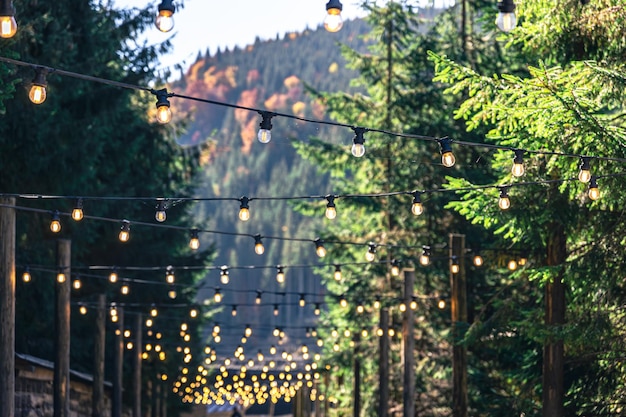
Outdoor events offer freedom, ambiance, and a unique experience that indoor venues often can’t match. But with that freedom comes complexity—especially when it comes to hi light power supply.
If you’re planning an outdoor event, whether it’s a wedding, concert, festival, or corporate function, getting your power and lighting right is non-negotiable. It’s not just about turning on the lights—it’s about safety, ambiance, functionality, and ensuring your event runs smoothly. Read more pages
In this guide, we’ll break down everything you need to know to plan, set up, and manage power and lighting for your next outdoor event like a pro.
Hi light power supply Matter So Much at Outdoor Events
Unlike indoor venues that already come equipped with built-in electrical systems and lighting, outdoor locations usually require portable infrastructure. If you miss a critical detail, it could lead to:
- Power outages
- Equipment failures
- Poor visibility and unsafe conditions
- Damaged equipment
- Unhappy guests or performers
Getting power and lighting right ensures your event is safe, professional, and visually impressive.
Hi light power supply Needs
Before you can rent a generator or plug in a string of lights, you need to know what you’re powering.
Make a Power Inventory:
List every item that will require power at the event. Common ones include:
- Lighting: Stage lights, path lights, tent lights, uplighting
- Sound equipment: Microphones, speakers, DJ booths, mixing boards
- Catering equipment: Food warmers, refrigerators, coffee machines
- Vendor booths: Cash registers, card readers, displays
- Heaters or fans: Depending on the weather
- Restroom trailers: Often require dedicated power
- Charging stations: For guests or staff
- Projectors and screens: For video content or presentations
- Signage and decor: Illuminated signs or effects
Calculate Total Wattage:
Each device will list its power requirements in watts. Add them up to calculate the total power you’ll need. Include a 20–30% buffer for safety and unexpected demands.
Step 2: Choose the Right Power Source
Most outdoor events rely on generators for electricity. Here’s what you need to know:
Types of Generators:
- Portable Generators: Great for small events or powering one or two items.
- Inverter Generators: Quieter, fuel-efficient, and provide stable power hi light power supply ideal for sensitive electronics like AV equipment.
- Towable Generators (Industrial): Best for large events. These provide high wattage, multiple outlets, and often include distribution panels.
Key Considerations:
- Noise Level: Choose low-noise models or place generators far from the crowd.
- Fuel Type: Diesel is common for larger units; gas is used for smaller ones.
- Run Time: Know how long your generator will run on a full tank.
- Distribution Needs: You might need power distribution boxes or extension cables.
Pro Tip: Work with a professional to assess your load needs and recommend the right generator size.
Step 3: Plan Power Distribution
It’s not enough to just have power—you need to safely and efficiently distribute it across your site.
Power Distribution Plan:
- Use distribution boxes to route power to different zones (stage, vendors, lighting, etc.).
- Color-code or label hi light power supply lines for clarity.
- Avoid daisy-chaining too many extension cords.
Safety First:
- Use outdoor-rated, heavy-duty extension cords.
- Ensure all equipment is grounded properly.
- Avoid running cords across walkways unless covered with cable ramps or taped down.
- Keep cords and equipment elevated in wet or muddy areas.
Step 4: Design a Lighting Plan
Lighting does more than illuminate—it sets the tone, improves safety, and enhances branding.
Categories of Outdoor Event Lighting:
1. Functional Lighting
Used for visibility and safety.
- Pathway lights
- Parking area lighting
- Exit signs and emergency lighting
- Restroom and food area lighting
2. Ambient Lighting
Sets the mood and creates atmosphere.
- String lights / fairy lights
- Lanterns
- LED uplighting
- Table candles (battery-powered preferred)
3. Accent Lighting
Highlights specific areas or adds flair.
- Gobo lights (logo projection)
- Spotlights on signage or décor
- Lighted centerpieces
4. Stage and Performance Lighting
Used for performers, speakers, or any entertainment.
- Par cans, moving heads, strobes
- Color washes
- Fog or haze machines with lighting effects
Tips for Lighting Success:
- Use LED lights for lower power draw and heat output.
- Ensure all lighting is weatherproof.
- Have a lighting technician or team member dedicated to managing hi light power supply.
- Create lighting cues or timelines for timed effects or performances.
Step 5: Think About Backup Systems
Outdoor events are vulnerable to unexpected issues hi light power supply weather, overloading, or equipment failure.
Must-Have Backups:
- Spare generator or backup battery supply
- Extra fuel for generators
- Additional extension cords or power strips
- Spare bulbs and lighting fixtures
- Manual lighting options (e.g., flashlights, battery lanterns)
Step 6: Consider Environmental Conditions
- Rain and moisture: Use waterproof coverings for outlets and cables. Avoid placing equipment directly on the ground.
- Wind: Secure light stands and overhead fixtures with sandbags or weights.
- Heat: Keep generators and electronics well-ventilated and shaded if possible.
- Darkness: Account for early sunset times if your event goes into the evening.
Step 7: Coordinate With Vendors and Crew
What to Do:
- Request power requirements from each vendor in advance.
- Assign dedicated outlets or circuits to avoid overloading.
- Share a power and lighting map with vendors and staff.
- Designate a power manager or technician to oversee electrical setup and troubleshooting.
Sample Power and Lighting Checklist
Here’s a quick checklist to guide your planning:
✅ Power inventory (wattage of each device)
✅ Generator(s) sized appropriately
✅ Fuel and backup generator plan
✅ Power distribution boxes and extension cords
✅ Cable covers and safety ramps
✅ Weatherproof gear and grounding tools
✅ Lighting by zone: functional, ambient, accent, stage
✅ Spare bulbs, cords, and lighting fixtures
✅ Lighting cues or schedule
✅ Communication plan with vendors and crew
✅ Onsite tech or electrician available
Bonus Tips for Outdoor Event Success
- Run a test: Set up your power and lighting system at least a day before the event to test everything.
- Rent from reliable sources: Choose trusted AV and generator rental companies with on-call support.
- Time your lighting: Use timers or controllers to automate transitions from day to night.
- Use solar lights: For pathways or accents, solar-powered lighting can supplement your setup without extra power load. Instagram
Wrapping It Up
Power and lighting can make or break your outdoor event. From setting the mood to ensuring safety, it’s a critical component that requires careful planning, reliable equipment, and a bit of technical savvy.
By following the steps above hi light power supply assessing your needs, choosing the right equipment, planning distribution, and preparing for the unexpected—you can confidently deliver a seamless, well-lit, and professionally powered outdoor event.
You may also like


Leave a Reply