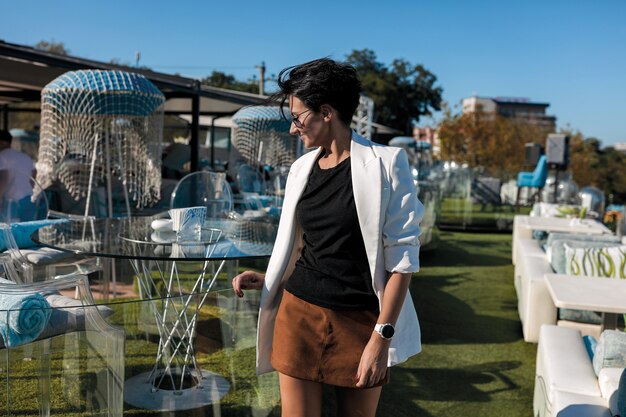
In today’s fast-paced, hyper-digital world, traditional events—featuring a few speeches, a brochure table, and a buffet—just don’t cut it anymore. People crave connection, immersion, and authenticity. This shift has given rise to a powerful trend that’s transforming the way we think about event planning.
Experiential events are not just gatherings—they’re immersive experiences that engage the senses, evoke emotion, and foster meaningful interactions. They blend storytelling, technology, and creative design to build unforgettable moments that resonate long after the event ends. Read more pages
- What experiential events are
- Why they’re becoming so popular
- Examples from top brands
- Key elements of a successful experiential event
- The future of this exciting trend

What Are Experiential Events?
Experiential events are designed to immerse attendees in a brand or concept through interactive and sensory-rich experiences. Instead of passively watching or listening, participants are active co-creators of the event. It’s about doing, feeling, and engaging rather than just observing.
These events might include:
- Interactive product demos
- Augmented/virtual reality experiences
- Themed environments or installations
- Personalized activations
- Live art or performance pieces
- Gamification or participatory challenges
Why the Shift Toward Experiential?
1. Experience Over Ownership
Millennials and Gen Z are fueling the “experience economy”—preferring experiences over material possessions. They value memories and moments more than goods, and events that align with that mindset are gaining traction.
2. Social Media Amplification
If it didn’t make it to Instagram, did it even happen? Shareable experiences—especially those with visual impact—become instant marketing assets when attendees post about them. Brands benefit from organic reach and user-generated content.
3. Shorter Attention Spans
In a world of information overload . They demand attention and engagement, creating deeper brand impressions than traditional ads or presentations.
4. Deeper Emotional Connections
Emotion drives memory and behavior. Immersive experiences evoke emotionally charged moments that make attendees more likely to remember your brand—and act on that memory.
Examples of Experiential Events in Action
✨ Nike’s House of Innovation
Nike launched pop-up installations where customers could design custom shoes, test products in virtual environments, and interact with athletes. It wasn’t a store—it was a playground for sneakerheads.
✨ IKEA’s Sleepover Experience
IKEA once invited fans to a full-blown sleepover inside their showroom, complete with bedtime stories, massages, and breakfast. This quirky experience turned a furniture store into a comfort-first fantasy.
✨ Coca-Cola’s Happiness Vending Machines
Coke set up vending machines that gave out free products in exchange for hugs, dances, or smiles. It connected emotion with brand identity in a fun and memorable way.
✨ Spotify Wrapped Live
Spotify brought its annual “Wrapped” campaign into the real world by creating immersive experiences where users could walk through their personalized music year in review.
Key Elements of a Successful Event
1. Storytelling First
At the heart of every experiential event is a story. Whether it’s a brand origin, a product journey, or a social mission, the experience should support a clear and compelling narrative.
✅ Tip: Start by asking, “What do we want people to feel, remember, and share?”
2. Immersive Design
The physical (or digital) environment plays a huge role. Use lighting, sound, visuals, and tactile elements to create an atmosphere that supports the theme.
✅ Tip: Think beyond aesthetics—design for all five senses.
3. Audience Participation
Give attendees agency. Let them co-create, choose their path, or influence the outcome.
✅ Tip: Build in activities that allow people to move, create, or influence the experience.
4. Technology Integration
From VR/AR to facial recognition to RFID wristbands, tech can enhance immersion and personalization.
✅ Tip: Use technology as an enabler—not a gimmick. It should enhance, not distract.
5. Personalization
Tailor experiences to individual preferences or behavior. Personalization adds emotional depth and boosts satisfaction.
✅ Tip: Use attendee data (with consent) to customize content, routes, or interactions.
6. Shareability
Design Instagram-worthy moments—interactive installations, bold visuals, or surprising performances that beg to be captured and shared.
✅ Tip: Include branded photo ops, hashtags, and Wi-Fi zones to encourage real-time posting.
7. Follow-Up and Continuity
The experience shouldn’t end when people leave. Send personalized follow-ups, recap videos, or exclusive offers to keep the momentum going.
✅ Tip: Extend the experience across platforms—email, social, or even AR/VR content post-event.
Virtual & Hybrid Events: Can It Work?
Yes! While physical events offer the richest sensory experiences, virtual and hybrid formats have evolved dramatically.
- Immersive Virtual Worlds: Custom-built digital venues where users can explore, interact, and even network via avatars.
- Gamification: Attendees earn points, unlock levels, or receive prizes for engaging with content or other attendees.
- Augmented Reality: Brands can deliver AR kits or effects that attendees use at home.
- Live Polling & Real-Time Reactions: Engage remote attendees and make them feel like part of the action.
The key is still the same: make attendees feel something, not just watch something.
The ROI of Events
Experiential marketing is often misunderstood as being “hard to measure.” But with the right tools and goals, it can deliver significant ROI:
- Brand Affinity & Loyalty: 91% of consumers report a more positive feeling toward brands after participating in events (EventTrack).
- Word-of-Mouth & Organic Reach: Shareable moments lead to powerful social proof.
- Data Collection: Events are a goldmine for gathering insights—what people liked, how they moved, what they shared.
- Lead Generation: When integrated with digital platforms, experiential events can seamlessly convert attendees into leads or customers.
Challenges to Consider
- Budget: High levels of design and tech integration can be costly.
- Logistics: Experiences require precise coordination across multiple vendors and disciplines.
- Scalability: What works in one location may not easily scale to others.
- Health & Safety: Interactive environments must meet safety and accessibility standards.
But with strategic planning and creative thinking, these challenges are manageable—and worth the payoff.
The Future of Experiential Events
They’re a paradigm shift in how we think about events, marketing, and engagement. As technology advances, we’ll see:
- AI-powered personalization at every touchpoint
- Hyper-immersive mixed reality experiences
- Sustainable design becoming a core component
- Smaller, hyper-targeted experiences replacing massive generic events
- Community-driven co-creation, where attendees help shape the event in real-time
Ultimately, the future of events lies in emotional resonance. People want to feel seen, inspired, entertained, and connected.
Final Thoughts
The rise of events marks a shift from passive consumption to active participation. For brands, creators, and event professionals, the challenge is no longer just to inform or entertain—it’s to immerse, engage, and transform.
In a crowded marketplace where attention is scarce and loyalty is fragile, experiences are the new currency. So, don’t just plan your next event. Create an experience worth remembering—and worth sharing.
TL;DR: Why Experiential Events Matter
- People crave experiences, not just content
- These events foster emotional connections and brand loyalty
- Tech, design, and storytelling make them powerful and memorable
- They’re measurable, scalable, and socially shareable
- The future of engagement is immersive, interactive, and intentional Instagram
If you’d like this adapted into a presentation, PDF brochure, or industry-specific version (e.g., tech, fashion, education), just let me know!
You may also like


Leave a Reply