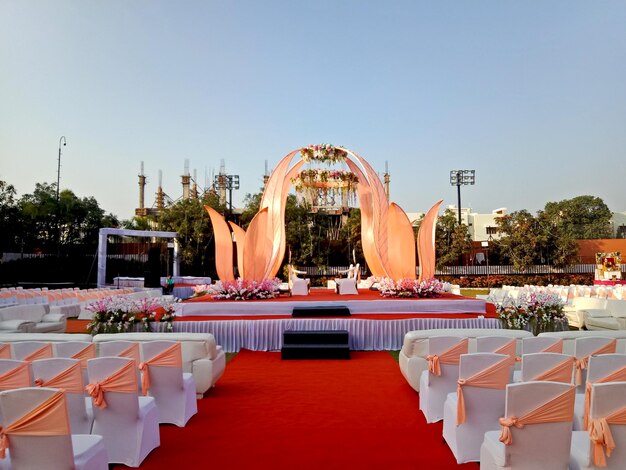
Events are powerful platforms for connection, learning, and celebration. They bring people together, foster new ideas, and build communities. But to truly harness that power, events must be designed with diversity equity and inclusion at their core, ensuring every participant feels valued and represented.
Integrating DEI into event design is no longer optional—it’s essential. It ensures that all attendees feel welcomed, respected, and valued regardless of their background or identity. It broadens perspectives, enriches experiences, and creates lasting impact.
This blog explores why DEI matters in events, how to incorporate it at every stage of event design, and practical strategies to create truly inclusive and equitable experiences. Read more pages

Why Diversity Equity and Inclusion Matters in Event Design
1. Reflecting Society’s Diversity
Events that embrace DEI mirror the diversity of the real world, creating environments where all people can see themselves represented and heard.
2. Enhancing Innovation and Creativity
Diverse groups bring different ideas, experiences, and problem-solving approaches, fostering richer discussions and innovation.
3. Improving Attendee Satisfaction
Inclusive events make attendees feel comfortable, safe, and respected, leading to higher engagement and positive feedback.
4. Expanding Reach and Impact
A focus on equity and inclusion opens your event to broader audiences, increasing accessibility and participation.
5. Aligning with Social Responsibility and Brand Values
Organizations committed to DEI demonstrate leadership and attract sponsors, partners, and attendees who share those values. diversity equity and inclusion
Key Concepts: Diversity, Equity, and Inclusion Explained
- Diversity: The presence of differences within a given setting, including race, ethnicity, gender, age, disability, sexual orientation, socioeconomic status, and more.
- Equity: Fairness in access, opportunities, and treatment, recognizing that different individuals may need different resources to succeed.
- Inclusion: The active, intentional effort to create environments where all individuals feel welcomed, respected, and able to fully participate.
How to Build DEI Into Your Event Design
Step 1: Establish DEI as a Core Value and Goal
Begin by making DEI a foundational principle of your event. This includes:
- Defining clear DEI goals aligned with your event mission diversity equity and inclusion
- Securing commitment from leadership and stakeholders
- Allocating budget and resources specifically for DEI initiatives
- Developing a DEI statement to share with your community
This commitment sets the tone and provides accountability.
Step 2: Assemble a Diverse Planning Team
Your event design starts with who’s at the table.
- Recruit planners and advisors from diverse backgrounds and experiences
- Ensure representation across gender, race, age, ability, and other identities
- Include people with lived experience relevant to your event’s diversity equity and inclusion audience and topics
- Foster an inclusive team culture where all voices are heard
A diverse planning team brings multiple perspectives and helps identify potential barriers.
Step 3: Conduct an Accessibility and Inclusion Audit
Evaluate your event’s current state to identify gaps and opportunities.
- Assess physical accessibility of the venue (ramps, elevators, seating, signage)
- Review digital accessibility for virtual or hybrid events (diversity equity and inclusion)
- Consider language access (translation, interpretation services)
- Identify cultural considerations (dietary restrictions, religious observances)
- Evaluate marketing materials for inclusive imagery and language
This audit forms the basis for targeted improvements.
Step 4: Design Inclusive Programming
Your agenda and content are central to attendee experience.
- Curate diverse speakers and panelists, ensuring representation across identities and viewpoints
- Avoid tokenism—prioritize meaningful inclusion and amplify marginalized voices
- Include sessions that address DEI topics and social justice issues relevant to your audience
- Ensure content is accessible (captioning, clear language, multiple formats)
- Consider scheduling with inclusivity in mind (avoid religious holidays, provide breaks)
Inclusive programming enriches learning and participation.
Step 5: Create an Accessible and Welcoming Venue Environment
Whether in-person or virtual, the event space should be welcoming to all.
- Choose venues with ADA-compliant facilities and accommodations for sensory sensitivities
- Provide quiet rooms, lactation rooms, gender-neutral restrooms, and prayer spaces
- Use signage with clear, large fonts and consider color contrast
- Train staff and volunteers on inclusivity and accessibility best practices
- For virtual events, ensure platform accessibility and provide support
Small details make a big difference in comfort and inclusion.
Step 6: Foster an Inclusive Event Culture
The social environment impacts how attendees feel.
- Develop and enforce a clear Code of Conduct promoting respect and zero tolerance for harassment or discrimination
- Promote peer accountability and encourage attendees to model inclusive behavior
- Provide safe spaces and reporting mechanisms for concerns
- Encourage networking and interactions that celebrate diversity
- Use inclusive language in all communications
A positive culture encourages participation and belonging.
Step 7: Promote Equity Through Pricing and Access
Financial barriers can exclude many potential attendees.
- Offer tiered ticket pricing, including discounted or free tickets for students, low-income individuals, or underrepresented groups
- Provide scholarships or sponsorships targeted at marginalized communities
- Consider virtual attendance options for those unable to travel
- Be transparent about pricing and use funds to enhance accessibility
Equity means actively reducing obstacles to participation.
Step 8: Leverage Partnerships to Expand DEI Impact
Work with organizations and vendors that align with your DEI values.
- Partner with community groups, advocacy organizations, and minority-owned businesses
- Source event supplies and services from vendors committed to equity and inclusion
- Collaborate on outreach to diverse communities
- Share DEI goals and expectations with all partners
Partnerships strengthen your event’s inclusivity and reach.
Step 9: Use Inclusive Marketing and Communications
Your messaging shapes who feels invited.
- Use diverse imagery and avoid stereotypes in promotional materials
- Write in clear, accessible language avoiding jargon or exclusionary terms
- Translate materials or provide language support when possible
- Promote stories and testimonials from diverse attendees
- Use multiple channels to reach varied audiences
Inclusive marketing attracts and welcomes a broad spectrum of participants.
Step 10: Measure, Evaluate, and Improve
DEI is an ongoing journey, not a one-time fix.
- Collect demographic data (voluntarily and confidentially) to understand who attends
- Conduct surveys and feedback sessions focused on inclusion and accessibility
- Analyze barriers or challenges reported by attendees
- Use findings to refine policies, programming, and practices
- Share results transparently with your community
Continuous improvement ensures sustained DEI progress.
Challenges to Expect and How to Overcome Them
Challenge: Tokenism and Performative DEI
Solution: Prioritize genuine inclusion and collaboration, not just checklist representation.
Challenge: Budget Constraints
Solution: Allocate DEI funding early and creatively seek sponsorships or in-kind support.
Challenge: Resistance to Change
Solution: Provide education on DEI’s benefits and involve leadership champions.
Challenge: Limited Diverse Talent Pools
Solution: Invest in outreach, mentorship, and partnerships to build pipelines.
Real-World Examples of DEI in Event Design
1. TED Conferences
TED’s deliberate speaker selection ensures diverse voices and perspectives across gender, ethnicity, and discipline.
2. The Women’s March
Focused on intersectional inclusion, the event centers marginalized groups in its planning and messaging.
3. Tech Inclusion Conference
Explicitly addresses diversity in tech through programming, accessibility, and equitable pricing. Instagram
Final Thoughts: Designing Events That Reflect Our Values
Building DEI into event design requires intentionality, humility, and commitment. It transforms events into spaces where everyone can thrive, contribute, and feel respected.
As planners, leaders, and community builders, we hold the power to create experiences that celebrate our differences and promote equity.
When done right, DEI elevates not only your event but the entire community it serves.
You may also like


Leave a Reply