
In a world captivated by massive conferences, global summits, and stadium-sized festivals, it’s easy to overlook the power of something smaller, more personal, and highly targeted: micro-events.
While they may not grab headlines like mega-events, micro-events are proving themselves to be one of the most effective, agile, and intimate formats in modern event planning. Whether you’re a brand trying to build deeper connections, a startup nurturing community, or a marketer looking for better ROI, may be your next best strategy. Read more pages
In this blog, we’ll explore:
- What micro-events are
- Why they’re gaining popularity
- Their key benefits and use cases
- How to plan an impactful
- Real-world examples
- What the future holds
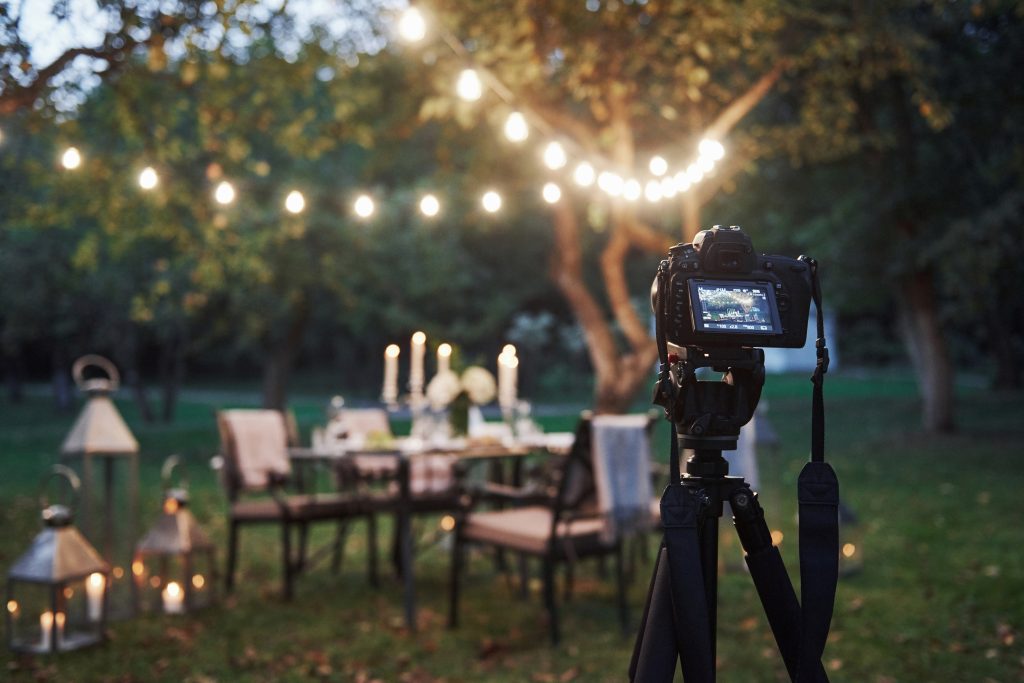
What Are Micro-Events?
Micro-events are small-scale, highly focused gatherings, typically involving a niche audience and a specific objective. These events usually host anywhere from 10 to 100 participants (sometimes up to 200) and emphasize quality over quantity in both experience and outcomes.
They can take many forms:
- Executive roundtables
- Invite-only product previews
- Intimate networking dinners
- Local workshops or masterclasses
- Pop-up brand activations
- Community-driven meetups
Unlike large-scale conferences or expos, are designed to spark meaningful interactions, encourage dialogue, and create deeper connections between attendees and hosts.
Why Micro-Events Are on the Rise
Several trends are fueling the growth of in both B2B and B2C spaces:
1. Audience Fatigue from Large Events
Many professionals are experiencing “event burnout” from big, impersonal conferences. offer a refreshing, human-scale alternative.
2. Desire for Personalization
Smaller events allow for tailored experiences—custom content, more relevant networking, and direct conversations that larger formats struggle to provide.
3. Cost Efficiency
You don’t need a giant budget to make an impact. are budget-friendly, with lower production costs and leaner logistics, yet they can yield high ROI.
4. Faster Planning & Execution
Because of their smaller scale, can be organized more quickly, making them ideal for responding to market shifts or launching new initiatives.
5. Community Building
Brands are shifting from mass outreach to community cultivation. are perfect for nurturing brand advocates, customers, and loyal followers.
Benefits of Micro-Events
✅ More Meaningful Connections
Smaller guest lists encourage authentic conversations, better networking, and a stronger sense of belonging. People remember how they felt—not just what they heard.
✅ Higher Engagement
Attendees are more likely to participate, ask questions, and give feedback in intimate settings. You’re not speaking at them—you’re speaking with them.
✅ Easier Customization
With fewer attendees, you can personalize agendas, content, and even gifts or follow-ups. It creates a VIP-like experience for everyone.
✅ Lower Risk, Higher Flexibility
With less at stake financially, give you room to experiment. If something doesn’t work, it’s easier to adapt and improve for next time.
✅ Scalable & Repeatable
Micro-events can be run in series, across locations or time zones, creating consistent touchpoints while maintaining localized relevance.
Popular Types of Events
Micro-events can be tailored to fit almost any objective. Here are a few high-impact formats:
🎯 Executive Roundtables
Invite 8–15 senior decision-makers to discuss industry challenges in a closed, peer-to-peer setting. These events build trust and open doors for strategic partnerships.
🎓 Workshops & Masterclasses
Offer hands-on learning in small groups. Perfect for skills training, product education, or community engagement.
🍽️ Private Dinners or Tastings
Host an exclusive dining experience for top clients, influencers, or partners. Food + conversation = long-lasting impressions.
🎉 Pop-Up Experiences
Short-term, brand-driven activations in unique spaces (e.g., art galleries, coffee shops, boutiques) that immerse people in your brand story.
📦 Product Launch Previews
Give early access to loyal customers or influencers and let them try new products before the official release.
🤝 Community Meetups
Organize grassroots gatherings that connect customers, fans, or users around shared interests or values.
How to Plan a Powerful Micro-Event
Planning a micro-event may be simpler than a major conference, but success still lies in the details. Here’s a step-by-step breakdown:
1. Define a Clear Purpose
What do you want to achieve? Is it brand awareness, customer loyalty, feedback, education, or lead generation?
🎯 Example: “Host a roundtable for CMOs to discuss AI in marketing and build pipeline for our MarTech platform.”
2. Know Your Audience
Because you’re targeting a smaller group, every invite counts. Personalize outreach and curate the guest list carefully.
🎯 Tip: Use CRM data or LinkedIn insights to identify high-fit attendees.
3. Choose the Right Format & Venue
Intimacy is key. Look for spaces that encourage conversation—think living-room vibes, not auditorium seating.
🎯 Ideas: Boutique hotels, private dining rooms, co-working lounges, rooftop terraces, or even client offices.
4. Create a Personalized Experience
From the invite to the follow-up, tailor every touchpoint. Use names, preferences, and attendee data to shape the agenda, food, and gifts.
5. Keep the Agenda Light but Focused
Micro-events shouldn’t feel like a mini-conference. Prioritize interaction and open dialogue over dense presentations.
🎯 Tip: Use conversation starters, breakout circles, or moderator-led discussions instead of slide decks.
6. Capture & Extend the Impact
Just because it’s small doesn’t mean it’s forgettable. Capture photos, testimonials, or soundbites for social or internal use.
🎯 Bonus: Record short video highlights to share with your wider community or on social media.
7. Follow Up Meaningfully
Send thank-you notes, customized recaps, or post-event resources. Personal touches go a long way in small-scale settings.
Real-World Examples of Event Wins
📍 Adobe’s Executive Breakfast Series
Instead of one massive conference, Adobe hosted breakfast meetups across cities for marketing executives. These sessions allowed for regional networking and product demos in a relaxed, personal setting.
📍 Lululemon’s Community Yoga Pop-Ups
Lululemon regularly partners with local instructors to host yoga classes in parks, rooftops, and stores. These small, wellness-focused events build community while reinforcing their brand values.
📍 Airbnb’s Host Community Events
To strengthen its host network, Airbnb organizes local gatherings where hosts can share tips, feedback, and stories. These foster brand loyalty and engagement.
📍 Startups & Product-Focused Demos
Tech startups often run exclusive demos or early-access previews for 20–30 potential users or partners. These sessions offer immediate feedback and build hype through exclusivity.
Measuring the Impact of Events
Even though they’re smaller, can be measured just as effectively as larger ones—sometimes even more so due to the tight focus.
Metrics to Track:
- RSVP vs. Attendance Rates
- Engagement During the Event (participation, feedback, conversations)
- Follow-up Conversion (sales, leads, signups, repeat customers)
- Social Sharing & Word-of-Mouth
- Net Promoter Score (NPS) or satisfaction scores
- Qualitative Feedback (testimonials, quotes, survey responses)
Use this data to refine future events and demonstrate ROI to stakeholders.
When Should You Choose a Event?
- You want quality over quantity
- You’re targeting a specific persona or vertical
- You have budget or time constraints
- You’re nurturing existing relationships vs. building broad awareness
- You’re aiming to test new content, product ideas, or formats in a low-risk setting
The Future of Events
As we move into a more personalized, values-driven, and community-focused era, will become a core part of modern event strategy. We’re likely to see:
- Increased use of data to personalize at scale
- Hybrid events, blending local in-person hubs with digital extensions
- Event series that create ongoing engagement instead of one-off moments
- AI tools that help streamline planning, targeting, and follow-up
- A shift from quantity to intimacy in event KPIs Instagram
The bottom line? Brands that want to stay relevant will need to think small to win big.
You may also like


Leave a Reply