
Planning an event is like solving a big, moving puzzle. From coordinating vendors and attendees to managing venues and schedules, every piece must fit perfectly. One piece that often causes the most stress (and is sometimes overlooked until the last minute) is transport logistics.
Whether you’re organizing a local corporate event, a large conference, a festival, or a destination wedding, how people and materials get to and from your event can make or break the experience.
In this blog, we’ll break down how to simplify transportation logistics, anticipate common problems, and create a smooth, stress-free plan—so everyone gets where they need to be, on time and without headaches. Read more pages
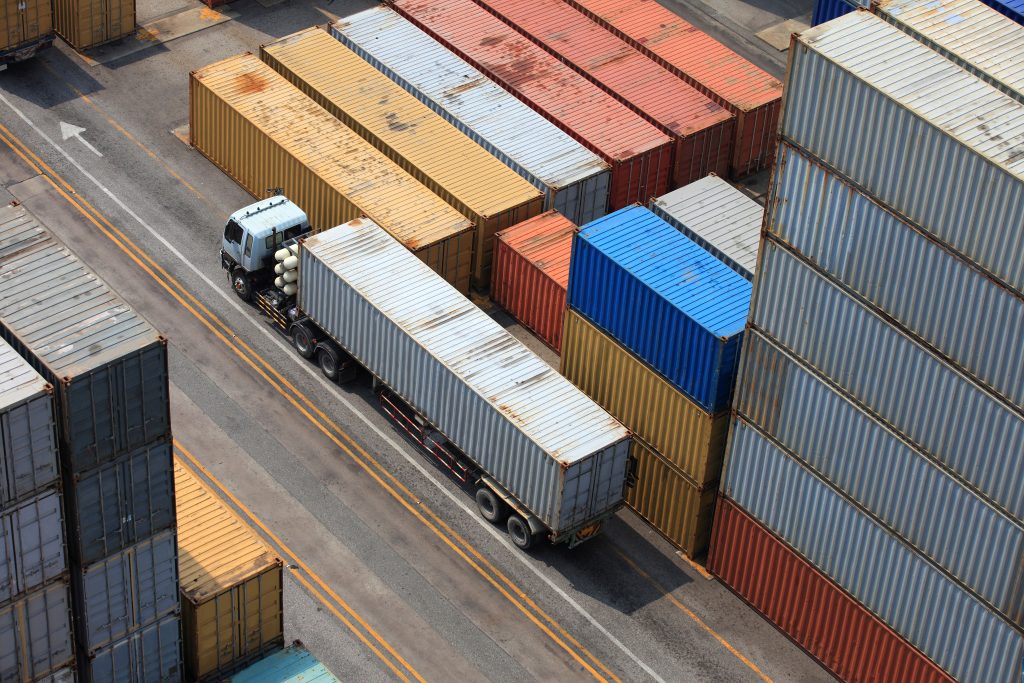
Why transport logistics Matter
Transportation impacts more than just getting people from point A to point B. It affects:
- Punctuality: Delays can disrupt the entire event schedule.
- Guest satisfaction: Bad transportation equals bad first (and last) impressions.
- Budget: Last-minute fixes can get expensive fast.
- Safety: Inadequate planning can lead to confusion, accidents, or liability issues.
- Vendor performance: If gear or staff arrive late, the whole setup suffers.
Solid logistics help the event feel organized, professional, and seamless.
🚦 Step 1: Define All Your transport logistics
Before you can plan, you need to understand the scope of what you’re moving. This includes both people and goods.
People:
- Attendees (local or traveling)
- Speakers, VIPs, entertainers
- Vendors and contractors
- Event staff or volunteers
Goods:
- Staging and decor
- AV equipment
- Catering supplies
- Promotional materials
- Giveaways or swag
Questions to ask:
- How far are people coming from?
- Are there parking limitations at the venue?
- Will the venue be accessible by public transit?
- Are there specific load-in/load-out requirements for vendors?
🧮 Step 2: Build Your Transportation Budget
Transport logistics costs can creep up if you’re not careful. Make sure to account for:
- Vehicle rentals (buses, vans, trucks)
- Professional drivers
- Fuel and tolls
- Parking permits and valet services
- Shuttle signage or branding
- Insurance
- Airport pickups or hotel transfers
- VIP car services
- Emergency contingency transport
Pro tip: Pad your budget by 10–15% to allow for delays, additional trips, or vehicle upgrades.
🗺️ Step 3: Map Out Key Locations
Create a visual or digital map with:
- Main event venue(s)
- Hotels or accommodations
- Airport or train stations
- Off-site activities
- Vendor storage or loading zones
This will help you visualize routes, estimate travel times, and identify possible traffic bottlenecks.
🚌 Step 4: Plan Attendee Transport logistics
A. Local Events
- Provide clear public transit info (metro lines, bus stops, bike racks).
- Offer discounted ride-share codes (Uber, Lyft, etc.).
- Consider valet parking or dedicated lots with shuttle service.
B. Multi-day Events
- Run looping shuttles between hotels and venues.
- Create custom maps and schedules for shuttle pick-ups/drop-offs.
C. Destination Events
- Arrange airport transfers for out-of-town guests.
- Coordinate with hotels to offer group transportation deals.
D. Accessibility
- Include options for guests with disabilities (ADA-compliant shuttles or vehicles).
👤 Step 5: Coordinate VIP and Speaker Transport logistics
High-profile guests expect smooth, private, and reliable transport.
Best practices:
- Use a dedicated car service or executive shuttle for VIPs.
- Schedule buffer time around pickup/drop-off in case of delays.
- Assign a hospitality liaison to communicate real-time updates.
- Ensure the driver has all contact details and schedule info.
Make it feel like a white-glove experience—on time, polite, and seamless.
🏗️ Step 6: Schedule Vendor & Equipment Transport logistics
This is where most logistics get tricky—and where delays can cost you.
To streamline:
- Assign specific load-in/load-out windows to each vendor.
- Share access maps, parking rules, and entry instructions well in advance.
- Use a transportation timeline for delivery of large items like stages, lighting, tents, or catering.
- For multi-location events, ensure vendors know exactly where and when to arrive.
If vendors need heavy-duty equipment, you might need:
- Box trucks or cargo vans
- Forklifts or pallet jacks
- Overnight storage or early drop-off
Communicate Transportation Details Clearly
Even a perfect plan will fail without proper communication.
Share with attendees:
- Shuttle maps and schedules
- Parking info and fees
- Accessibility options
- Ride-share pickup locations
- Travel time estimates
Share with vendors and staff:
- Delivery schedules
- Access credentials or passes
- Check-in points and staging areas
- Emergency contact info
Have Backup Plans in Place
Common issues:
- Traffic delays or road closures
- No-show drivers
- Flat tires or vehicle breakdowns
- Weather problems
- Missing directions
How to prepare:
- Keep spare vehicles or drivers on standby
- Share real-time GPS tracking with your team
- Use walkie-talkies or group chats for fast communication
- Have printed directions and maps in every vehicle
🔧 Step 9: Use Tech to Stay Organized
Technology can make your life a lot easier.
Useful tools:
- Event transport logistics apps (e.g., Groupize, Bus.com, Circuit)
- Project management tools (Trello, Asana, Airtable)
- Google Maps with custom pins for key locations
- Shared calendars for logistics timelines
- QR codes for quick access to shuttle schedules
Make sure your entire team has access to the latest info, even on mobile.
🎯 Step 10: Appoint a Transportation Lead
Assign one person to oversee transportation logistics. Their job is to:
- Coordinate with drivers and vendors
- Monitor delays and updates
- Answer guest and staff questions
- Solve problems in real time
This person should be calm under pressure, organized, and always reachable.
📋 Transportation Logistics Checklist
Use this quick list as you plan:
✅ Define transport logistics needs (people + goods)
✅ Build a realistic transportation budget
✅ Map out all key event locations
✅ Plan attendee transportation (shuttles, parking, ride-share)
✅ Arrange VIP transport with buffer time
✅ Schedule vendor load-in/load-out with precision
✅ Communicate all routes and schedules clearly
✅ Create a transportation contingency plan
✅ Use tech tools for live updates and tracking
✅ Assign a dedicated transportation coordinator
💡 Bonus Tips from the Pros
- Scout your routes in advance for possible roadblocks, construction, or traffic.
- Label vehicles with signage so guests can easily identify the right shuttle or bus.
- Schedule transport logistics dry runs a day or two before the event.
- Print hard copies of all critical instructions in case of tech failure. Instagram
- Hydrate your drivers and offer snacks—happy drivers = smooth rides.
You may also like


Leave a Reply