
In today’s experience-driven event industry, delivering top-tier attendee support isn’t optional—it’s a necessity. With expectations for real-time assistance, 24/7 availability, and instant information, event planners are increasingly turning to AI chatbots as a powerful solution.
From answering frequently asked questions to guiding attendees through the event experience, AI-powered chatbots are revolutionizing how event organizers support and engage their audiences.
In this blog, you’ll learn:
- What chatbots are and how they work
- Benefits of using chatbots at events
- Use cases for attendee support
- Tips for implementing chatbots effectively
- Top platforms to consider
- Real-world success stories Read more pages
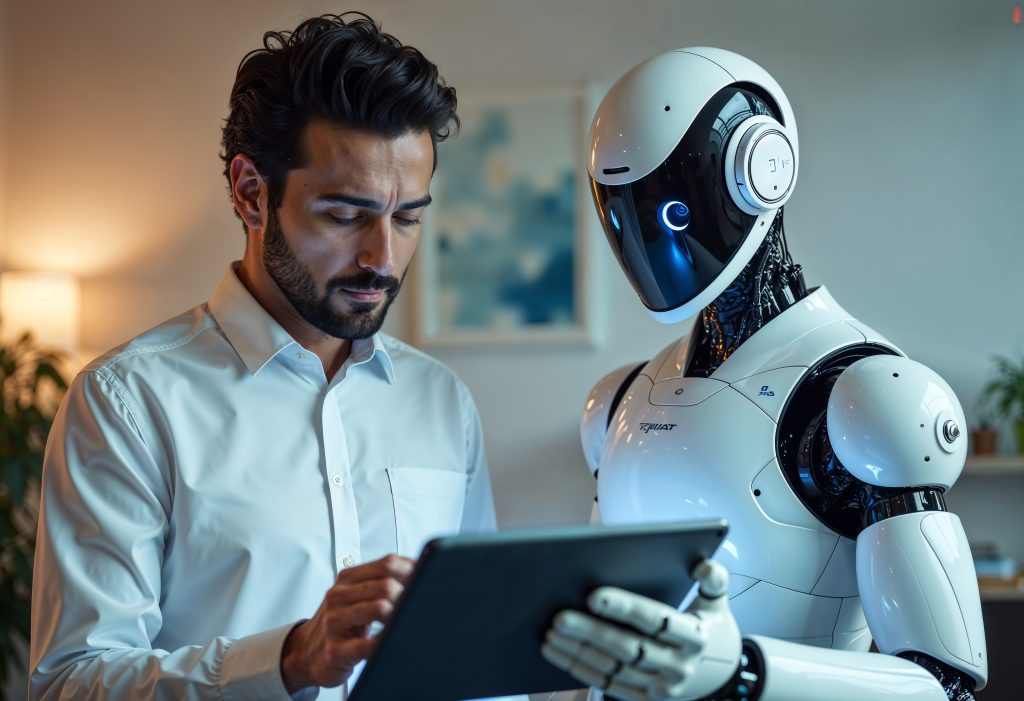
🔍 What Are AI Chatbots?
Chatbots AI are software programs that simulate human-like conversations using natural language processing (NLP), machine learning, and predefined rules. Unlike traditional bots that rely only on scripted answers, chatbots AI can understand context, learn from interactions, and provide more intelligent, personalized responses.
These bots can be deployed on:
- Event websites
- Mobile apps
- Messaging platforms (like WhatsApp, Messenger, Slack)
- SMS or email channels
- Kiosks or digital signage at physical venues
🚀 Why Use AI Chatbots for Attendee Support?
1. 24/7 Availability
Attendees often have questions at all hours—before, during, and after the event. chatbots never sleep, ensuring round-the-clock support without hiring a full-time help desk team.
2. Instant Responses
Gone are the days of waiting for an email response or tracking down staff. Chatbots answer questions in seconds, keeping attendees informed and reducing frustration.
3. Scalability
Whether you have 100 attendees or 100,000, chatbots can handle multiple conversations simultaneously—without any drop in quality.
4. Cost Efficiency
Instead of expanding your customer support team, a single chatbot can take care of the most common queries, freeing up human staff for complex or high-touch tasks.
5. Consistency in Communication
AI bots deliver consistent, accurate information every time, reducing human error and ensuring attendees get the right answers.
6. Multilingual Support
Many AI chatbots support multiple languages, making your event accessible to a global audience.
🛠️ Key Use Cases for AI Chatbots at Events
Here are some practical ways chatbots can assist attendees at every stage of the event journey:
📅 Before the Event
- Answer FAQs: Provide details about venue, travel, accommodation, COVID protocols, parking, etc.
- Assist with Registration: Help users sign up, confirm attendance, or modify their registration.
- Promote the Event: Share teaser content, speaker bios, or agenda highlights.
- Send Reminders: Notify users about early-bird deadlines or app downloads.
📍 During the Event
- Venue Navigation: Guide attendees to breakout rooms, session halls, or restrooms.
- Real-Time Schedule Updates: Notify about delays, room changes, or speaker swaps.
- Session Recommendations: Suggest relevant sessions based on interests or behavior.
- Live Polling & Surveys: Collect attendee feedback on sessions or activities.
- Networking Assistance: Match users with others who share similar goals or roles.
📤 After the Event
- Send Thank-You Notes: Automate personalized follow-ups.
- Share Session Recordings: Distribute links to on-demand content or slide decks.
- Gather Feedback: Prompt attendees to complete surveys or reviews.
- Offer Upsells: Suggest future events, memberships, or courses.
💡 Best Practices for Implementing AI Chatbots at Events
To get the most out of your chatbot, follow these tips:
✅ 1. Define Clear Objectives
Know what you want the bot to do—answer questions, drive engagement, assist with logistics, or all of the above. Setting goals will help you choose the right platform and design the right flows.
✅ 2. Train Your Bot Thoroughly
Feed your chatbot a rich knowledge base including schedules, speaker bios, venue maps, and common attendee questions. Update it regularly to reflect changes.
✅ 3. Integrate with Your Event App or Website
Make sure the chatbot is visible and accessible. Place it in your event app, homepage, or anywhere attendees interact digitally.
✅ 4. Keep Language Natural and Friendly
Use conversational, welcoming language. You want your bot to feel like a helpful assistant, not a robot reading a script.
✅ 5. Provide Human Escalation
Not all problems can be solved by a bot. Ensure there’s an option for attendees to connect with a live human when needed.
✅ 6. Promote the Chatbot
Let attendees know it’s available and what it can help with. Use emails, push notifications, and social media to drive adoption.
📱 Top AI Chatbot Platforms for Events
Here are some popular chatbot platforms used by event organizers:
| Platform | Best For | Key Features |
| Drift | Lead generation + attendee support | Conversational AI, integrations with CRMs |
| Tars | Custom event flows | Drag-and-drop bot builder, rich media support |
| Intercom | Customer engagement | In-app chat, automation, AI-powered helpdesk |
| MobileMonkey | Multi-platform reach | Works on web, SMS, Facebook Messenger |
| ManyChat | Social media-heavy events | Great for Instagram and Facebook events |
| Zoho SalesIQ | Event websites | Live chat + AI bot hybrid, behavioral targeting |
| Heyday by Hootsuite | Brand activations | Social commerce + real-time support |
Some event platforms like Whova, Cvent, or EventMobi also include chatbot modules natively within their event apps.
📊 Measuring Chatbot Success
To ensure your chatbot is delivering value, track these key metrics:
- Bot engagement rate (how many attendees used it)
- Average response time
- Resolution rate (how many questions the bot resolved without human help)
- Escalation rate (how often humans had to take over)
- Attendee satisfaction score (CSAT)
- Feedback surveys and qualitative comments
Use this data to refine chatbot performance for future events.
🎉 Real-World Success Examples
🎤 SXSW Conference
The massive, multi-day festival deployed chatbots to help over 400,000 attendees with real-time information, schedule navigation, and FAQs. Result: 90% reduction in support ticket volume.
🏢 Salesforce Dreamforce
Dreamforce used chatbots integrated into their mobile app to help attendees plan their agenda, locate sessions, and even schedule 1:1 networking—significantly boosting engagement.
🌍 Virtual Health Tech Summit
A virtual conference introduced a WhatsApp-based AI bot that answered live questions, assisted with session access, and collected instant feedback. Over 78% of attendees used it actively.
🤖 The Future of AI Chatbots in Events
AI chatbot capabilities are rapidly evolving. Here’s what to expect in the near future: Instagram
- Voice-enabled bots for hands-free navigation
- Emotionally intelligent bots that detect sentiment and adjust tone
- Deeper personalization through AI analyzing attendee behavior
- ChatGPT-powered assistants offering deeper conversational AI
- Omni-channel bots providing seamless support across app, web, and messaging
By embracing these tools now, you’ll be ahead of the curve in delivering smarter, more responsive events.
🧭 Final Thoughts
AI chatbots are more than just a trendy tool—they’re a strategic investment in improving the attendee experience while reducing your support burden. With the ability to provide instant, 24/7 assistance, these bots help events run smoother, feel more professional, and deliver greater satisfaction.
Whether you’re planning an in-person event, a virtual summit, or a hybrid experience, AI chatbots can play a central role in keeping attendees informed, engaged, and delighted.
You may also like


Leave a Reply