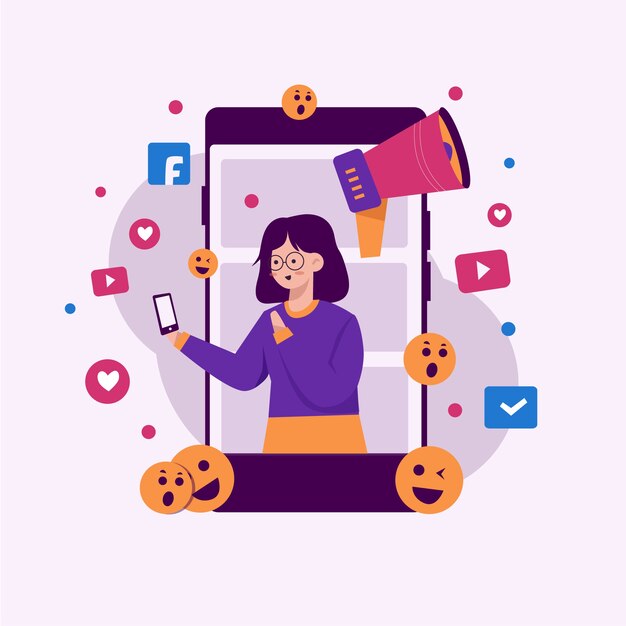
Turn Your Event Into a Share-Worthy Sensation
In the age of short attention spans and nonstop scrolling, content is the heartbeat of event marketing. But not just any content—viral content. The kind that stops thumbs, sparks emotion, and makes people hit share, retweet, or DM to a friend.
For event organizers, creating viral content can dramatically amplify reach, boost registrations, and build a community even before the doors open. But virality isn’t just luck—it’s strategy, storytelling, and psychology. Read more pages
In this post, we’ll break down how to create content that doesn’t just inform—but ignites. Whether you’re promoting a local festival, business summit, concert, or webinar, here’s how to make your event content go viral.
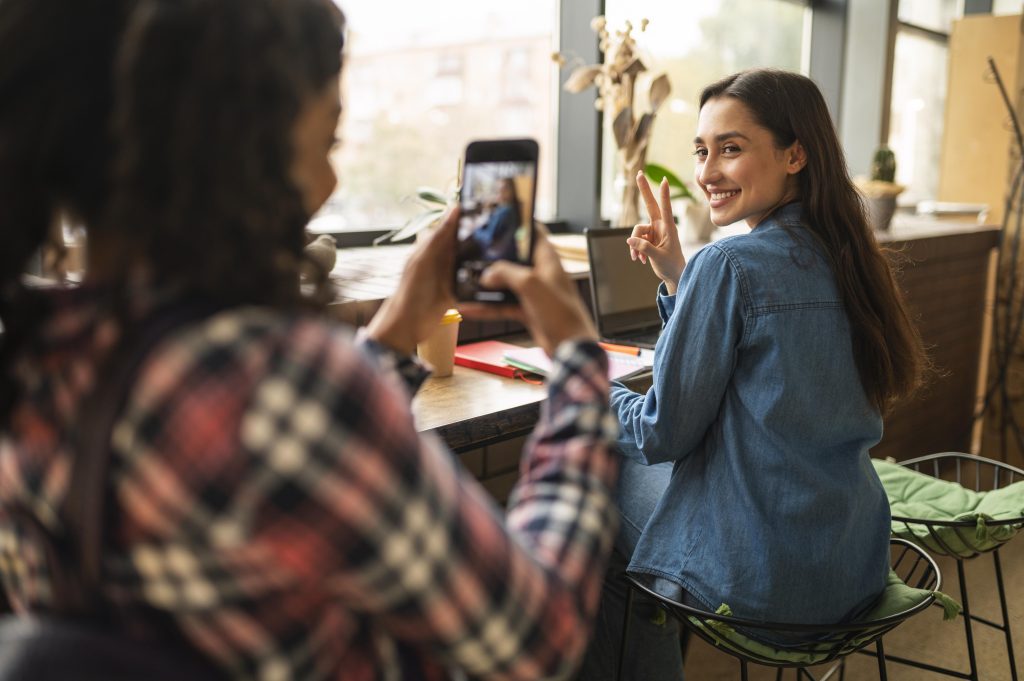
What Makes Content Go Viral?
First, let’s define it: Viral content is create content that spreads rapidly and organically, through shares, mentions, and engagement, across social platforms or media outlets.
- Share valuable or entertaining content with others
- Define themselves to others (self-expression)
- Grow and nourish relationships
- Get validation or social currency
- Support causes or events they care about
To go viral, your content must evoke emotion, provide value, and be easy to share.
1. Know Your Audience Deeply
Before creating any content, ask: Who are you talking to?
- What platforms do they use most? (Instagram? TikTok? LinkedIn?)
- What kind of content do they already share?
- What excites or inspires them?
- What fears, problems, or desires do they have?
🎯 Example:
If your event is a Gen Z music festival, focus on short-form video, trending TikTok sounds, humor, and aesthetic visuals.
If it’s a B2B tech conference, LinkedIn carousels, expert interviews, and industry insights may perform better.
The better you understand your audience, the easier it is to go viral—because you’re speaking their language.
2. Design a Strong Visual Identity
Viral content isn’t just about the message—it’s about how it looks. People scroll fast, so your visuals must pop.
✅ Tips for Visual Impact:
- Use bold colors and clean typography
- Stick to a consistent brand style (fonts, filters, logo use)
- Create templates for posts, Stories, and Reels
- Use high-quality photos and footage of past events
Tools to use:
- Canva for templates
- CapCut or InShot for Reels/TikTok editing
- Adobe Express for advanced social graphics
Make it easy for people to recognize your event at a glance—this boosts brand memory and shareability.
3. Leverage Emotion and Storytelling
People don’t share facts. They share feelings.
When create content, ask:
What emotion do I want to trigger?
- Excitement (FOMO)
- Joy (funny or surprising content)
- Inspiration (transformative stories)
- Nostalgia (throwbacks to past events)
- Belonging (community-focused content)
🎯 Example:
Post a short video of someone explaining how attending your event changed their life, helped them land a job, or connected them with a mentor.
That story is more powerful than a list of agenda items.
4. Use Short-Form Video (Reels, TikToks, YouTube Shorts)
Short-form video is the king of viral content right now. Platforms like Instagram and TikTok favor it in their algorithms, and users love it.
📹 Viral Video Ideas for Events:
- “Day in the life” of an attendee or speaker
- Behind-the-scenes of setup or rehearsals
- Quick interviews with guests, staff, or fans
- “Reasons to attend” countdown videos
- Time-lapses of the crowd, stage setup, or venue
- Flashbacks from past events with trending sounds
Keep it snappy (15–30 seconds), captioned, and punchy in the first 3 seconds.
5. Tap Into Trends and Memes
Piggybacking on create trends is one of the easiest ways to increase visibility.
✅ How to Do It:
- Watch trending sounds and challenges on TikTok or Reels
- Turn memes into event-related jokes
- React to relevant pop culture moments
6. Encourage User-Generated Content (UGC)
UGC is content created by your audience—and it’s gold for virality. People trust peer content more than brand content, and they love seeing themselves featured.
How to encourage UGC:
- Launch a hashtag challenge or photo contest
- Offer a prize for best content about your event
- Create Instagrammable moments at the event (photo walls, props, branded installations)
- Ask a question and repost responses (e.g., “What are you most excited for at #EventName?”)
7. Collaborate with Influencers and Speakers
- Pre-made graphics or video clips
- Suggested captions and hashtags
- Early access to announcements
- Special discount codes or referral links
Craft Irresistible Headlines and Captions
- Use numbers: “5 Reasons You Can’t Miss [Event]”
- Create FOMO: “Tickets Are 80% Sold Out…”
- Ask a question: “What’s the #1 reason you attend conferences?”
- Be bold: “This Event Will Change How You Network Forever”
- Use emojis and line breaks for easy reading
Make It Easy to Share
- Add social sharing buttons on your event website and blog
- Include click-to-tweet quotes or memes in newsletters
- Design square and vertical graphics for Instagram and Stories
- Create Include QR codes on flyers and signage
- Add “Share this post with a friend who…” calls-to-action
Post at the Right Time—and Often
- Use analytics to find best posting times
- Post more frequently during peak promotional periods (e.g., 4–6 weeks before the event)
- Repurpose content across platforms: Turn blog posts into carousels, videos into Stories, tweets into LinkedIn posts
- Use scheduling tools like Buffer, Later, or Hootsuite to plan consistently
Bonus: Content Ideas by Platform
| Platform | Viral Content Types |
| Reels, carousels, polls, countdowns, BTS | |
| TikTok | Trends, challenges, speaker intros, transformations |
| Event recaps, speaker quotes, professional tips | |
| X (Twitter) | Memes, threads, live updates, testimonials |
| Giveaways, event invites, livestreams | |
| YouTube | Highlight reels, interviews, tutorials |
Tailor the content style to the platform, but keep your message consistent.
Conclusion: Viral Content = Strategy + Creativity + Consistency
Create viral content for your event isn’t about luck—it’s about understanding your audience, tapping into emotion, leveraging trends, and delivering value in a visually engaging way. Instagram
To recap, focus on:
✅ Audience-first content
✅ Emotional storytelling
✅ Short-form video
✅ Trend participation
✅ UGC and influencer collaboration
✅ Eye-catching visuals
✅ Strategic headlines and CTAs
You may also like


Leave a Reply