
In a world increasingly focused on sustainability and climate responsibility, hosting eco-conscious events isn’t just a “nice to have”—it’s quickly becoming the standard. Whether you’re organizing a corporate summit, music festival, community fair, or wedding, planning a zero waste event signals your commitment to both your attendees and the planet. Read more pages
But what exactly does zero-waste mean in the context of events?
It means designing an event where at least 90% of waste is diverted from landfills, through reduction, reuse, recycling, and composting.
In this blog, you’ll learn:
- Why zero-waste events matter
- Common sources of event waste
- Step-by-step strategies to eliminate waste
- Tools, vendors, and best practices
- Real-life examples of zero-waste events done right
Let’s walk through how to turn your next event into a sustainability success story.
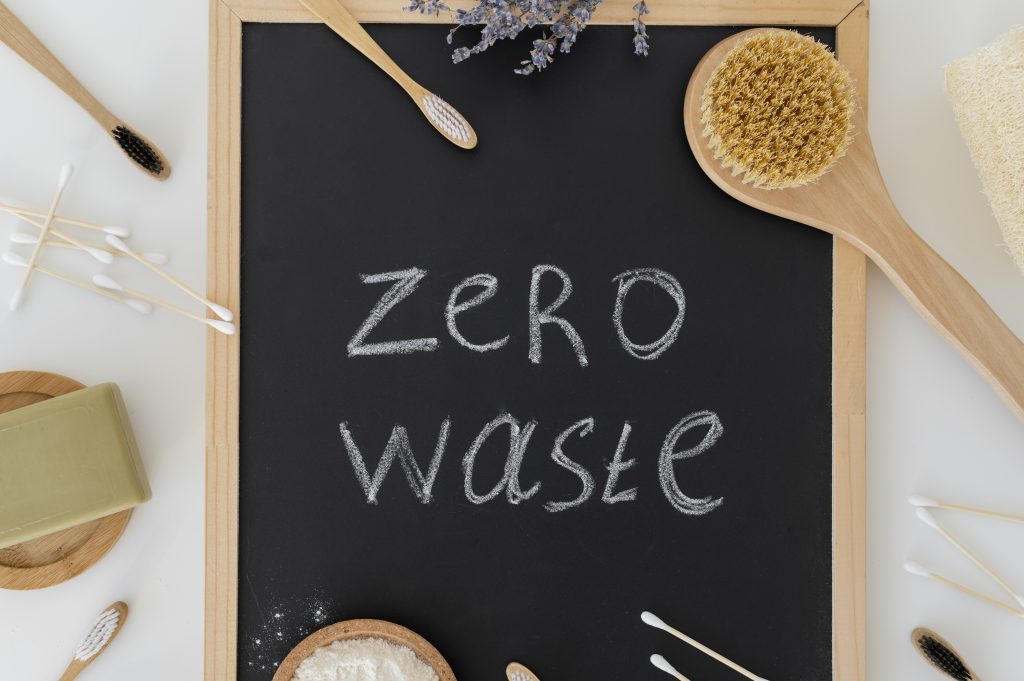
🌍 Why Zero Waste Events Matter
Events can be massive producers of waste—from single-use plastic cutlery to printed signage, leftover food, and promotional swag that ends up in trash bins.
The numbers are sobering:
- The average conference attendee generates 1.89 kg (4.16 lbs) of waste per day
- Large events like music festivals can produce 100+ tons of waste
- 80% of that waste is avoidable or recyclable
Benefits of going zero waste:
- Positive brand perception and CSR (Corporate Social Responsibility) impact
- Cost savings through waste reduction
- Compliance with local environmental regulations
- Enhanced attendee satisfaction and engagement
- Attraction of sustainability-focused sponsors and vendors
🗑️ Common Waste Culprits at Events
To eliminate waste, you first need to know where it’s coming from. Common sources include:
| Waste Source | Examples |
| Food & Beverage | Disposable plates, utensils, plastic bottles, leftover food |
| Printed Materials | Flyers, brochures, tickets, banners |
| Swag & Merchandise | Branded giveaways, single-use bags |
| Event Decor | Balloons, floral arrangements, foam boards |
| Signage | Non-recyclable posters or vinyl signs |
| Packaging | Plastic wraps, cardboard boxes, shipping materials |
| Energy & Water Use | Unnecessary lighting, inefficient HVAC systems, plastic water bottles |
✅ Step-by-Step Guide to Planning a Zero Waste Event
1. Set Clear Sustainability Goals
Before you book a venue or hire vendors, define what zero-waste means for your event. Set measurable goals, such as:
- Divert 90%+ of waste from landfill
- Eliminate single-use plastics
- Compost 100% of food scraps
- Source 100% reusable or recyclable materials
Pro tip: Appoint a dedicated sustainability coordinator or “green team” to oversee waste management.
2. Choose the Right Venue
Your venue can make or break your zero-waste ambitions.
What to look for:
- Recycling, compost, and landfill bins with proper signage
- On-site kitchen to reduce catering waste
- Energy-efficient lighting and HVAC systems
- Water refill stations
- Green certifications (e.g., LEED, ISO 20121, Green Key)
Ask venues about their sustainability policies and request a waste diversion report after the event.
3. Work with Eco-Friendly Vendors
Your vendors must share your values. That includes:
- Caterers using local, organic, seasonal food and reusable dishware
- Printers offering digital alternatives or using recycled paper and soy-based inks
- Swag suppliers offering biodegradable or reusable giveaways
- Décor teams using reusable items or living plants
Build sustainability into vendor contracts with clear requirements and expectations.
4. Go Digital
Replace paper-heavy materials with digital solutions:
| Instead of this… | Try this… |
| Printed programs | Mobile apps or event websites |
| Paper tickets | QR codes or digital passes |
| Business cards | NFC-enabled badges or digital contact exchange |
| Flyers & brochures | QR codes linking to PDFs or videos |
Not only does this reduce waste, but it also saves money and improves tracking.
5. Zero waste Stations Strategically
Set up clearly labeled and well-staffed waste stations throughout the venue:
- Use color-coded bins: compost (green), recycling (blue), landfill (black)
- Provide visual signage showing what goes where
- Have volunteers or “waste educators” help guests sort correctly
Avoid single, unlabeled trash cans—they lead to contamination and wasted effort.
6. Rethink F&B (Food and Beverage)
Food is one of the biggest sources of event waste.
Tips to reduce food waste:
- Use accurate headcounts for ordering
- Offer smaller portion sizes or plated meals instead of buffets
- Partner with food recovery programs to donate leftovers
- Compost food scraps
- Use reusable or compostable serveware (not just recyclable!)
- Ditch bottled water for refill stations and branded cups or bottles
7. Eco-Friendly Swag and Merch
Giveaways are fun zero waste but often end up in landfills.
Sustainable swag ideas:
- Digital downloads (eBooks, coupons, Spotify playlists)
- Seed paper cards or biodegradable items
- Locally made, reusable goods (bamboo utensils, cloth bags)
- Donations in the attendee’s name (e.g., plant a tree)
Always ask: Is this something people will actually keep and use?
8. Transportation & Travel
Help attendees reduce their carbon footprint:
- Promote carpooling, biking, or public transit
- Offer hybrid or virtual attendance options
- Offset travel emissions through certified carbon credit programs
- Choose central venues to minimize long commutes
9. Educate and Involve Attendees
Let your guests know why you’re going zero waste—and how they can help.
Ways to involve attendees:
- Include sustainability info in emails and programs
- Display waste diversion stats during the event
- Host a zero-waste competition or raffle
- Encourage BYOB (bring your own bottle/bag)
When attendees feel part of the mission, they’re more likely to comply.
10. Measure and Report Results
Track your waste diversion and share the impact.
What to measure:
- Pounds/kilograms of waste diverted
- Number of compost/recycle bins used
- Water bottles saved
- Swag opt-outs or digital downloads
Publish a sustainability report zero waste. Not only is this great for transparency, but it helps secure eco-minded sponsors for future events.
🧰 Helpful Tools & Partners
| Tool/Partner | What it Does |
| Terracycle | Recycles hard-to-recycle materials |
| Too Good To Go | Helps recover and redistribute leftover food |
| CompostNow | Composting services for events |
| Eventcycle | Reuse and repurpose event materials |
| Clearstream Recycling | Offers rental bins for waste sorting |
| Green Event Ninjas | Sustainability consulting for event planners |
🌿 Real-Life Examples of Zero Waste Events
🎉 Greenbuild International Conference
Diverted over 90% of waste, used compostable serveware, eliminated bottled water, and donated 3,000 pounds of leftover food to local shelters.
🎵 Outside Lands Music Festival
Installed 3-stream waste stations with “trash talkers,” used compostable containers, and partnered with local farms for food donations.
💼 Salesforce Dreamforce
Distributed reusable water bottles, eliminated most printed materials, and used carbon offsets for air travel.
These events prove that with intention and the right planning, zero waste is not only possible—it’s scalable. Instagram
💡 Final Thoughts
A zero waste event isn’t about perfection—it’s about intention, innovation, and impact.
By reducing, reusing, and rethinking traditional event practices, you not only shrink your ecological footprint—you also boost brand reputation, cut unnecessary costs, and inspire others to follow your lead.
Start small, plan smart, and show the world that sustainability and celebration can go hand in hand.
🌱 Ready to Go Zero-Waste?
Need help creating a zero waste checklist or choosing sustainable vendors? I can help you create a personalized plan based on your event size and goals.
Let’s make your next event green, clean, and unforgettable.
You may also like


Leave a Reply