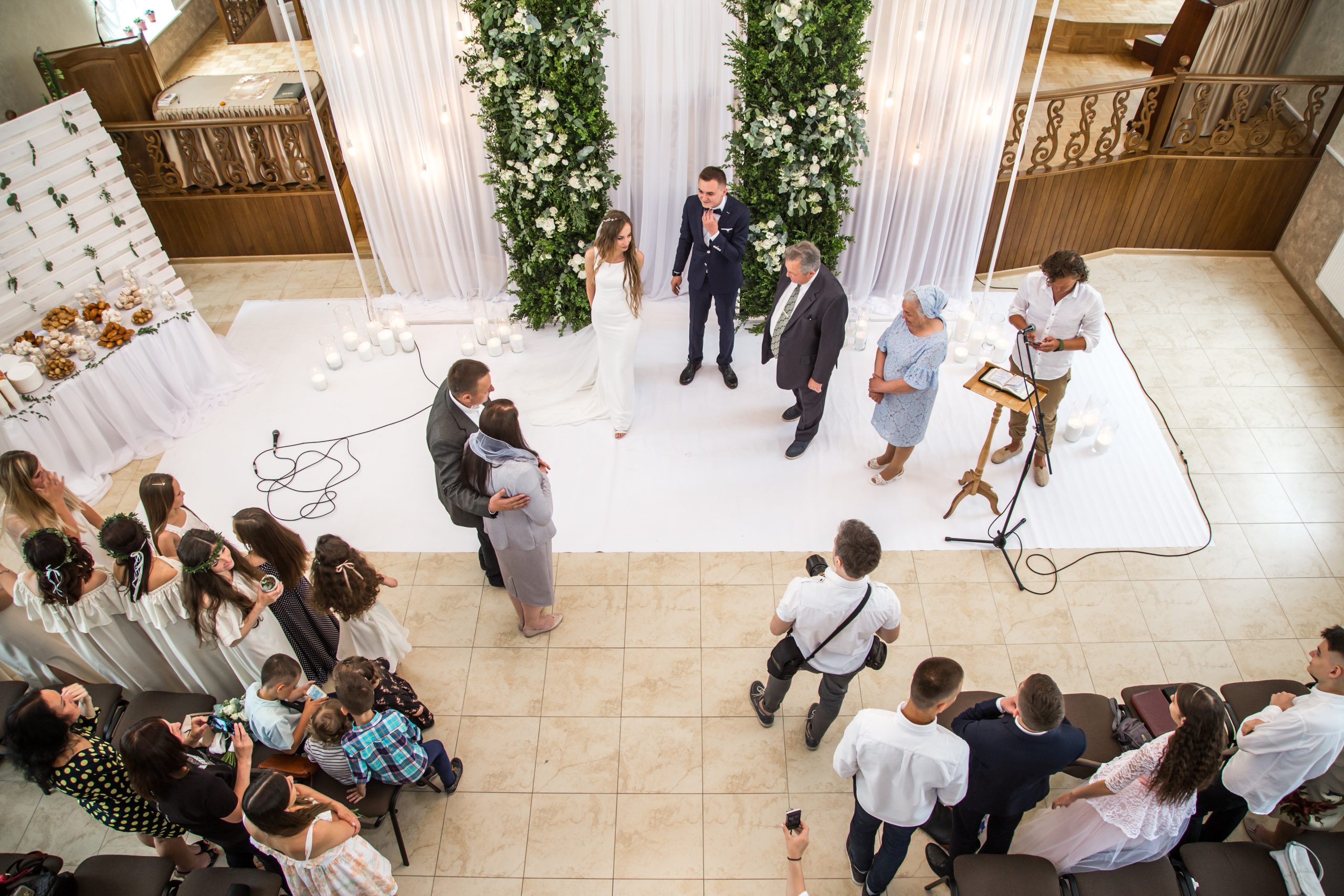
In today’s fast-paced, attention-fragmented world, event organizers face a big challenge: how do you stand out, engage attendees, and deliver a truly memorable experience?
The answer for many forward-thinking planners is Augmented Reality (AR).
From integrity product demos and 3D wayfinding to gamified scavenger hunts and selfie stations, AR transforms traditional events into immersive playgrounds where physical and digital experiences blend seamlessly. Read more pages
In this guide, we’ll explore:
- What augmented reality is (and isn’t)
- Why AR is gaining traction in the event industry
- Real-world applications for different types of events
- How to plan and implement AR into your next event
- Tools and platforms to make it happen
- Best practices for delivering a smooth AR experience

📱 What Is Augmented Reality and integrity?
Augmented Reality is a technology that overlays digital elements—such as images, sounds, animations, or data—onto the real world, usually via a smartphone, tablet, AR glasses, or a custom display.
Unlike Virtual Reality (VR), which immerses users in a fully digital environment, AR enhances the physical world without replacing it.
Examples of AR in everyday life:
- Pokémon Go
- Instagram filters
- IKEA’s app to visualize furniture in your room
- AR wayfinding in airports or malls
🚀 Why Use AR in Events?
Here are some compelling reasons to integrity AR into your event strategy:
1. Boost Engagement
AR makes static content interactive. Attendees are more likely to engage with a product, space, or brand when it’s brought to life digitally.
2. Enhance Learning
Want to explain a complex product or system? AR allows for 3D models, animations, or simulations that are more intuitive than traditional presentations.
3. Create Shareable Moments
AR-powered experiences (like virtual photo booths or filters) are social media gold, extending your event’s reach.
4. Support Sustainability
Go paperless by delivering brochures, schedules, and maps through AR-scannable signs or QR codes.
5. Wow Factor
Let’s face it—AR still has a “wow” effect. It shows innovation and gives your event a cutting-edge vibe that impresses attendees and stakeholders.
🎯 Use Cases: How to Use AR in Different Types of Events
Here’s how integrity AR can elevate various event formats:
🏢 Trade Shows & Exhibitions
- Product Demos: Let attendees view 3D models of products, explore features, or see how they work in real-time.
- Booth Traffic Drivers: Use AR treasure hunts or badge scanning games to encourage visits.
- Virtual Brand Ambassadors: Animated mascots or holograms that deliver key messages.
🎓 Conferences & Educational Events
- Interactive Slide Decks: Let attendees scan slides to unlock videos, PDFs, or quiz questions.
- Speaker Holograms: Bring in remote speakers as life-size 3D holograms.
- AR Networking: Scan attendee badges to reveal shared interests or personalized info.
🎉 Brand Activations & Festivals
- AR Filters & Photo Ops: Create branded selfie experiences or virtual merchandise try-ons.
- Gamification: AR scavenger hunts, trivia games, or interactive storytelling experiences.
- Virtual Swag: Instead of physical giveaways, offer digital merch or NFTs.
🏆 Corporate Events & Product Launches
- AR Product Visualizations: Launch products with integrity demos or “unboxings” in AR.
- CEO Hologram Welcome: Kick off events with a virtual appearance from top execs.
- Immersive Storytelling: Share brand history through AR timelines or visual storytelling.
🛠️ How to Integrate AR Into Your Event (Step-by-Step)
Step 1: Define Your Goals
What do you want AR to achieve?
- Drive traffic to booths?
- Educate about a product?
- Encourage social sharing?
- Increase dwell time integrity?
Step 2: Choose the Right AR Type
There are several types of AR you can use:
| AR Type | Description | Example |
| Marker-based AR | Requires scanning a QR code or image trigger | Scanning a logo to reveal a 3D animation |
| Location-based AR | Uses GPS data to activate experiences | A city-wide AR scavenger hunt |
| Projection-based AR | Uses light to project 3D images onto surfaces | Holograms or floor displays |
| Markerless AR (SLAM) | Recognizes real-world environments without markers | Trying on virtual clothing via your phone camera |
Step 3: Design the Experience
Work with a creative agency or AR developer to design the experience:
- What will attendees see, hear, or do?
- Will they integrity with objects?
- Is it educational, entertaining, or both?
- Will it involve gamification?
Step 4: Choose a Delivery Method
How will attendees access the AR content?
- Native App: Include AR features in your event app
- WebAR: No app needed; accessible via browser (faster adoption)
- QR Code Posters: Simple and scannable
- Wearables: For high-tech events, use AR glasses (e.g., Magic Leap, HoloLens)
Step 5: Promote and Educate
- Clearly communicate how to use the AR feature (signage, emcee shoutouts, tutorial videos)
- Place QR codes strategically
- Offer incentives integrity (contest entry, swag, leaderboard)
Step 6: Measure and Improve
Track performance using analytics:
- Number of scans or activations
- Time spent on AR content
- Shares or downloads
- Engagement by location or user type
🧰 Tools & Platforms for AR in Events
Here are popular tools and platforms that support AR integrity:
| Tool/Platform | Best For | Notes |
| 8thWall | WebAR experiences | No app required; great for activations |
| ZapWorks (Zappar) | Interactive AR marketing | Easy-to-use editor |
| BlippAR | Events & branded AR | Offers analytics and 3D content support |
| Adobe Aero | Quick AR prototyping | Great for designers |
| Spark AR (Meta) | Social AR filters | Ideal for Instagram/Facebook engagement |
| Unity + Vuforia | Advanced AR apps | Full customization, requires development |
⚡ Real-World AR Success Stories
🎤 SXSW AR Scavenger Hunt
Attendees used their phones to find hidden AR content around the festival. Each discovery unlocked digital rewards and sponsor offers—resulting in 3x more booth visits for sponsors.
🏢 Volvo AR Car Demo at CES
Volvo used markerless AR to let visitors view the interiors and features of their new cars from their phones, even without a physical car present. Engagement time averaged over 4 minutes per visitor.
🎮 Comic-Con Interactive Posters
Exclusive posters at booths came to life via AR when scanned integrity playing character animations and trailers. Fans could share the experience online, boosting event exposure.
✅ Best Practices for AR in Events
- Test Across Devices: Ensure your AR works well on Android/iOS, different browsers, and screen sizes
- Keep It Simple: Not everyone is tech-savvy; make instructions foolproof
- Optimize Load Time: Use lightweight assets to avoid delays
- Offer Value: Make sure the AR adds something meaningful—not just a gimmick
- Ensure Accessibility: Provide alternatives for those who may not be able to use AR
- Train Staff: Ensure team members can assist with setup and troubleshooting
🔮 The Future of AR in Events
The future of events will be blended, immersive, and integrity. As AR hardware becomes more affordable and 5G networks more widespread, expect to see: Instagram
- AR networking avatars
- 3D business cards
- Holographic live streams
- Smart glasses replacing smartphones
You may also like


Leave a Reply