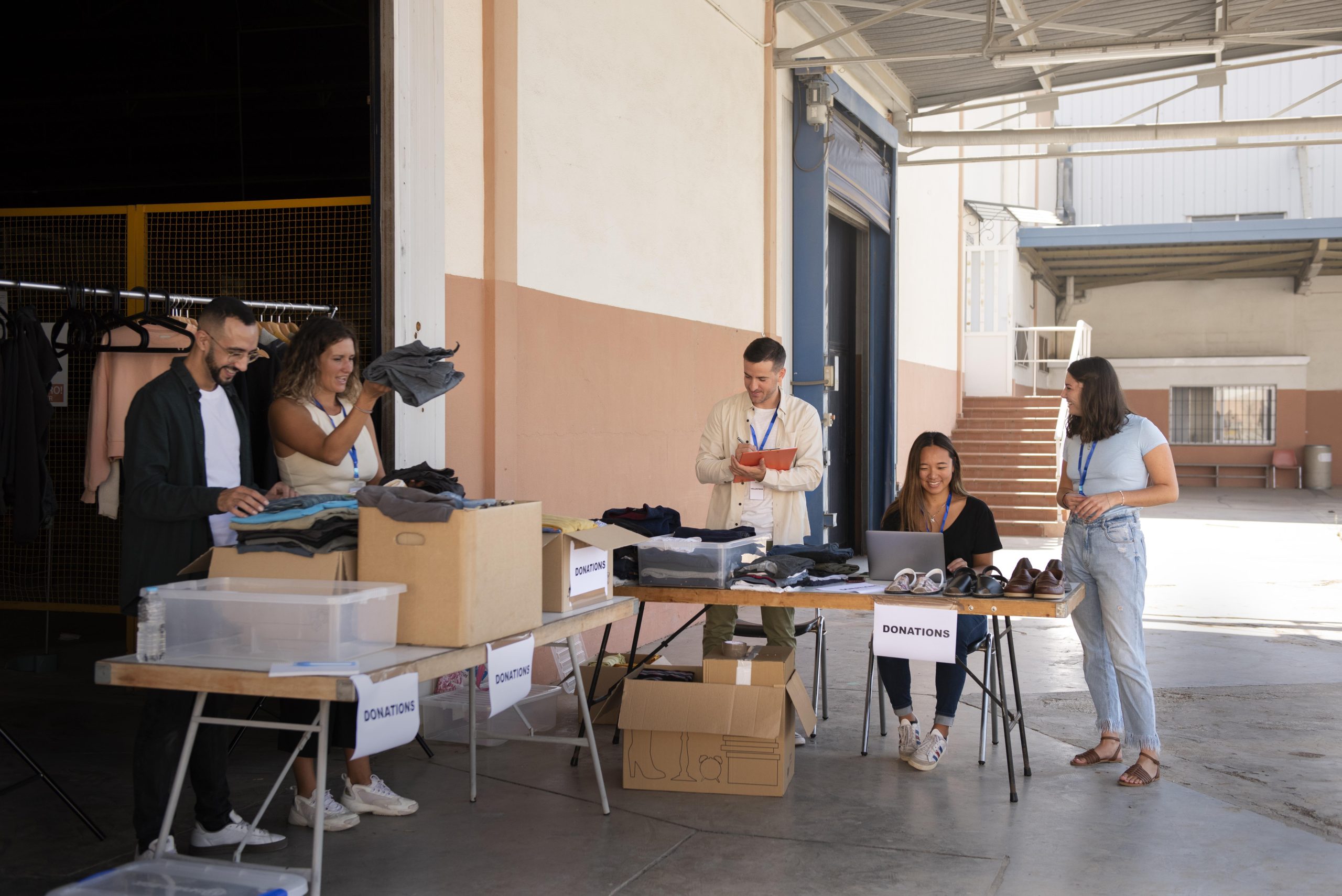
In the age of climate consciousness, event professionals are being called to do more than just organize incredible experiences—they’re expected to minimize environmental impact, especially when it comes to logistics.
Transportation, energy use, shipping, and material handling all contribute significantly to the carbon footprint of events. In fact, logistics can account for up to 80% of an event’s total emissions. Read more pages
If you’re serious about sustainability, you can’t ignore the carbon cost of your event logistics.
In this blog post, we’ll explore:
- What makes logistics such a big emissions culprit
- The key areas where you can reduce your footprint
- Practical, actionable strategies to go green
- Tools and metrics to track your impact
- Real-world examples of low-carbon logistics in action
Let’s make your next event efficient, effective—and environmentally responsible.

🚚 Why Event Logistics Matter in Sustainability
Event logistics include the movement of people, products, equipment, and services before, during, and after your event. This includes:
- Transporting attendees and staff
- Shipping booths, décor, AV gear, and catering supplies
- Venue power and energy use
- Waste handling and removal
- Accommodation coordination
- On-site transportation (shuttles, golf carts, etc.)
Each of these areas burns fuel, consumes resources, and emits carbon footprint. When scaled across thousands of attendees and multiple vendors, the impact is massive.
The Hidden Cost
According to MeetGreen, a three-day conference of 1,000 people can generate over 530 metric tons of CO₂—equivalent to the annual emissions of over 110 cars. A large portion of that comes from travel and shipping.
Reducing your logistics footprint not only helps the planet but also:
- Cuts costs
- Enhances your brand image
- Attracts eco-conscious attendees and sponsors
- Future-proofs your event against regulatory pressure
🧭 Key Areas to Reduce Logistics Emissions
Here are the major logistics areas to focus on for carbon footprint reduction:
- Attendee and staff transportation
- Shipping and freight logistics
- Energy and power usage at venues
- Catering and material sourcing
- Waste management logistics
We’ll now dive into how to tackle each one effectively.
🚗 1. Optimize Attendee Transportation
Challenge:
Air travel and car use by attendees and staff are often the largest single source of event emissions.
Solutions:
✅ Choose a Central Location
- Pick a venue that’s accessible by public transit, rail, or bike
- Host in cities with walkable infrastructure to reduce car use
✅ Promote Green Travel
- Offer discounts or incentives for:
- Carpooling
- Public transit
- Cycling or walking
- Carpooling
- Encourage use of apps like BlaBlaCar, Uber Green, or local bike-share programs
✅ Offset Travel Emissions
- Work with providers like Cool Effect, Gold Standard, or CarbonFund to offer optional (or built-in) carbon offsets during ticketing
✅ Go Hybrid or Virtual
- Reduce travel altogether by offering virtual attendance or regional satellite events
- Livestream keynotes and workshops for remote audiences
📦 2. Reduce Shipping & Freight Emissions
Challenge:
Transporting materials, exhibits, booths, and equipment (often by truck or air freight) contributes significantly to your event’s carbon footprint.
Solutions:
✅ Consolidate Shipments
- Work with vendors to batch deliveries instead of multiple small ones
- Use centralized warehousing for pre-staging materials
✅ Choose Local Suppliers
- Source AV, furniture, food, and décor within 100 miles of the venue
- Support local businesses and reduce transportation emissions
✅ Go Modular and Lightweight
- Use modular exhibits and lightweight materials that pack and ship more efficiently
- Reduce packaging waste with reusable crates or bins
✅ Ship by Rail or Electric Truck (When Possible)
- Rail emits up to 75% less CO₂ than air freight
- Some logistics providers offer carbon-neutral or electric vehicle fleets
🔌 3. Cut On-Site Energy Use
Challenge:
Large venues use enormous amounts of power for lighting, AV, heating/cooling, and more.
Solutions:
✅ Choose Energy-Efficient Venues
- Look for venues with LEED certification, renewable energy use, carbon footprint or ISO 20121 sustainability certification
✅ Use Smart Power Practices
- LED lighting and low-energy AV setups
- Timers and motion sensors for lights
- Encourage exhibitors to power down equipment overnight
✅ Switch to Renewable Energy
- Some venues offer 100% green power from solar, wind, or hydro
- Alternatively, purchase Renewable Energy Certificates (RECs) to offset electricity use
🥗 4. Source Catering and Supplies Sustainably
Challenge:
Sourcing food and event materials often involves long-distance shipping and high-resource farming (especially for meat and dairy).
Solutions:
✅ Go Local and Seasonal
- Work with caterers that source from local farms
- Design menus around seasonal ingredients to reduce shipping
✅ Plant-Based Catering Options
- A vegan or vegetarian menu has up to 90% lower emissions than one heavy in meat
- Offer plant-forward meals as the default option carbon footprint
✅ Bulk Orders and Reusable Serveware
- Avoid individual packaging wherever possible
- Use bulk beverage dispensers, compostable materials, or reusables
🗑️ 5. Rethink Waste Removal Logistics
Challenge:
The transportation of waste (especially non-recyclable or hazardous materials) adds to emissions—and landfill usage is a major carbon footprint issue.
Solutions:
✅ Divert Waste at the Source
- Set up clearly labeled waste stations (compost, recycle, landfill)
- Educate attendees and staff on proper sorting
✅ Partner with Local Compost and Recycling Providers
- Reduce long-haul waste transport
- Measure and share diversion metrics with stakeholders
✅ Eliminate Single-Use Items
- No bottled water
- No plastic cutlery
- No unnecessary packaging
📊 Tracking Your Logistics Carbon Footprint
Measuring is key to managing. You can’t improve what you don’t track.
Tools to Use:
| Tool | What It Does |
| TRACE by isla | Tracks event emissions, including travel and logistics |
| Carbon Footprint Calculator (Event Version) | Simple tool to measure emissions from flights, transport, and venue usage |
| Susty Events | Provides calculators and sustainability guides |
| JouleBug | Helps staff and attendees take sustainable actions pre-, during, and post-event |
Key Metrics to Track:
- Total CO₂e from travel, shipping, energy, and waste
- Percent of local vs. long-distance vendors
- Volume of materials reused or recycled
- Carbon offsets purchased
Share these results in a sustainability impact report post-event to attract sponsors and future attendees.
🌱 Real-World Examples of Greener Event Logistics
🎤 COP Climate Conferences
- Priority on public transit and carpooling
- Partnered with local energy providers for renewable power
- Waste diversion stations throughout carbon footprint
🎪 Glastonbury Festival (UK)
- Bans plastic bottles
- Compost toilets
- Local suppliers only
- 100% offset emissions via renewable projects
🏢 IMEX Frankfurt
- Walkable venue with nearby hotels
- Public transport passes for all attendees
- Centralized shipping depots to reduce transport emissions
✅ Final Tips for Greener Logistics
- Start early: Integrating sustainability from the start is more effective and cheaper
- Educate your vendors: Share your sustainability goals and hold them accountable
- Create a green logistics checklist for all departments
- Reward sustainable behavior: Recognize green exhibitors, attendees, and staff
- Communicate your impact: Use signage, digital dashboards, and reports to showcase results Instagram
🌍 Final Thoughts
Reducing the carbon footprint of your event logistics isn’t just possible—it’s essential for events that aim to be future-ready.
By rethinking how people and materials move before, during, and after your event, you can:
- Lower your environmental impact
- Save money on fuel and freight
- Impress eco-conscious sponsors
- Strengthen your event brand
Logistics are often invisible to attendees—but when done sustainably, their impact is undeniable.
Want a Green Logistics Checklist or Vendor Guidelines?
Let me know, and I’ll help you build a custom carbon footprint sustainability plan for your next event—including templates, tools, and vendor communications.
Let’s move your event—and the industry—toward a greener future. 🌿
Would you like this blog adapted into a downloadable checklist or sustainability proposal for stakeholders?
You may also like


Leave a Reply